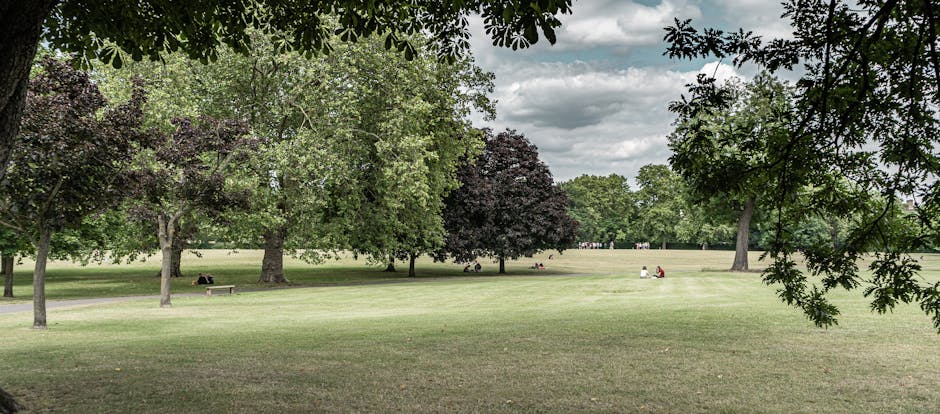
Peckham Rye Park garden services for communal green spaces
Communal green spaces have a funny way of revealing everything at once. If the grass is patchy, the hedges are ragged, or the shared path edges are spilling over, people notice quickly. That is why Peckham Rye Park garden services for communal green spaces need more than a quick tidy-up; they need steady care, local judgement, and a maintenance plan that works through the seasons.
Whether you manage a block of flats, oversee a resident association, look after shared grounds, or simply need a dependable team for a well-used open space, the basics matter: safety, neat presentation, consistency, and an approach that respects the people who use the area every day. In Peckham and the surrounding South London rhythm, that often means practical maintenance carried out with minimal disruption and a bit of common sense. Nothing fancy. Just good work done properly.
This guide explains what communal garden services involve, how they usually work, what to watch out for, and how to choose the right mix of maintenance, clearance, mowing, hedge trimming, and seasonal care. It also covers compliance, best practice, and a realistic step-by-step approach so you can make a confident decision without wading through fluff.
Table of Contents
- Why Peckham Rye Park garden services for communal green spaces Matters
- How Peckham Rye Park garden services for communal green spaces Works
- Key Benefits and Practical Advantages
- Who This Is For and When It Makes Sense
- Step-by-Step Guidance
- Expert Tips for Better Results
- Common Mistakes to Avoid
- Tools, Resources and Recommendations
- Law, Compliance, Standards, or Best Practice
- Options, Methods, or Comparison Table
- Case Study or Real-World Example
- Practical Checklist
- Conclusion
- Frequently Asked Questions
Why Peckham Rye Park garden services for communal green spaces Matters
Shared outdoor spaces do a lot of quiet work. They soften housing estates, give children somewhere to play, create breathing room for residents, and make an entrance feel cared for rather than forgotten. A communal green space near Peckham Rye Park can be a small patch of grass or a much larger landscaped area, but the principle is the same: if it is neglected, the whole place feels tired.
Good maintenance also helps prevent problems from building up. A few weeks of missed mowing can lead to long grass, weeds, hidden litter, and awkward access issues. Let one hedge get out of hand and you can end up blocking sightlines, narrowing walkways, and making the whole area feel less safe. Truth be told, shared grounds often decline in stages, not all at once. That is why regular care matters more than dramatic one-off fixes.
There is also a people factor. Communal spaces are used differently from private gardens. Children may run through them. Residents may sit in them. Deliveries, maintenance staff, bins, pets, and bikes can all affect the layout. A maintenance team needs to think about use patterns, not just plant health. That's a small difference, but it changes everything.
In practical terms, Peckham Rye Park garden services for communal green spaces are about keeping the environment pleasant, usable, and safe while respecting budgets and shared expectations. It is maintenance with diplomacy, really.
For many sites, this sits naturally alongside broader garden maintenance, with extra attention on the areas that get the most public use. If the site needs a larger refresh first, a targeted garden clearance can clear away accumulated debris and make the routine work far more effective.
How Peckham Rye Park garden services for communal green spaces Works
The process usually starts with a site assessment. A gardener or maintenance team will look at lawn condition, hedge growth, access points, waste levels, planting beds, hard edges, and any trip hazards or visibility issues. In communal settings, that first walkaround is not just about the plants; it is about how people move through the space.
From there, the work is normally split into a recurring schedule and occasional task-based visits. Recurring work might include mowing, edging, litter picking, weeding, hedge trimming, and seasonal tidy-ups. Task-based work may involve restoring an overgrown area, removing dead material, or reshaping planting after a period of neglect. Some sites also need occasional landscape improvements or structural updates, especially where the grounds have to serve a wider community for years rather than months.
A sensible schedule often changes by season. Spring can be busy with growth spurts, summer needs consistency and watering awareness, autumn is all about leaf fall and keeping drainage clear, and winter brings a different sort of oversight: checking damage, pruning carefully, and preventing compaction on wet ground. You do not need to reinvent the wheel each time, but you do need to adjust the pace.
Depending on the site, the work may also include specialist support such as lawn mowing for open grass areas, hedge trimming for boundary shaping and safety, and occasional tree lopping and removal where larger vegetation is affecting light, access, or safety. If new surfacing or structure is needed to improve how a communal space functions, landscaping and landscape gardening can be part of the longer-term plan.
Key Benefits and Practical Advantages
The benefits of a well-run communal garden service are easy to see, but they are also easy to underestimate. A tidy green space does not just look better. It changes behaviour. People use it more respectfully when it feels cared for. Residents are more likely to walk through it, sit in it, and speak positively about the place. That has a knock-on effect on morale. Not a dramatic one, but a real one.
Here are the main advantages:
- Improved appearance: neat grass, trimmed hedges, and clear borders instantly lift the feel of the whole property.
- Better usability: paths stay open, seating areas feel more inviting, and shared spaces are easier to navigate.
- Reduced risk: fewer trip hazards, less overgrowth, and cleaner sightlines help people move around with more confidence.
- More consistent upkeep: regular visits prevent the sudden, expensive scramble that comes after months of neglect.
- Stronger resident satisfaction: people notice when communal areas are handled with care. They really do.
- Better long-term value: plants, lawns, and hard edges tend to last longer when they are maintained steadily.
There is also a practical budget advantage. Small, frequent maintenance jobs are often easier to manage than one large reactive repair programme. A hedge cut on time is cheaper to keep in shape than a hedge left to run wild for six months and then hacked back badly. Same with lawns. Same with borders. Same with just about everything, to be fair.
If you are comparing service providers, it can help to look at the wider offering too. A provider with a clear services overview is often easier to assess because you can see how the maintenance pieces fit together rather than guessing from a single headline service.
Who This Is For and When It Makes Sense
This kind of service is not just for large estates. In fact, smaller sites often need it just as much because they have less margin for mess. If one grass strip, one communal courtyard, or one front garden gets neglected, the whole place feels it.
Peckham Rye Park garden services for communal green spaces usually make sense for:
- blocks of flats with shared front or rear gardens
- resident-managed developments
- housing associations and rental properties with communal grounds
- schools, care homes, and community buildings with outdoor areas
- managing agents who need dependable recurring maintenance
- private developments that want the grounds to stay presentable year-round
It also makes sense after a tenant change, a long gap in upkeep, or a season of fast growth. A lot of people wait until the site looks "bad enough" to act. That works, but only just. In practice, early intervention is easier on budgets, easier on residents, and easier on the plants.
If the space has become overrun, a one-off reset can make the next few months much smoother. If the space is already in decent shape, ongoing maintenance is the better choice. The trick is knowing which situation you are actually in, not the one you hope you are in.
Step-by-Step Guidance
If you are planning garden services for a communal space, a simple method works best. You do not need a complicated project plan unless the site is very large or the work is heavily landscape-led. Start with the basics and build from there.
- Walk the site properly. Look at grass condition, hedge lines, access, drainage, litter, and any areas people avoid because they look awkward or unsafe.
- List the priority jobs. Separate urgent tasks from routine maintenance. For example, overgrowth near a path is more urgent than a border that simply looks untidy.
- Decide on the maintenance frequency. Weekly, fortnightly, or monthly visits each suit different sites. A heavily used space generally needs more frequent attention.
- Agree on what is included. Mowing, edging, hedge trimming, weeding, leaf clearance, small pruning, and waste removal should be clearly defined.
- Plan seasonal changes. Spring and summer may need more grass care, while autumn demands more clearing and leaf management.
- Check access and working hours. Communal areas often need quieter scheduling, careful locking procedures, and minimal disruption for residents.
- Review after the first visit cycle. A good maintenance arrangement gets better after the first few rounds because you can adjust based on what the site actually needs.
A little aside here: a site can look tidy on paper and still behave badly in real life. Low-hanging branches, soggy corners, and awkward edges near bins or entrances have a habit of showing up only when people start using the area again. That is normal. It just means the plan needs a human eye, not a template.
Expert Tips for Better Results
Small decisions make a big difference in communal grounds. The goal is not just to make the space look cut. It is to make it feel managed, durable, and easy to live with.
1. Keep grass height consistent rather than chasing extremes. A lawn that is cut regularly tends to look calmer and healthier. When cuts are too infrequent, the result can be scalped patches, clumps, and a stressed surface.
2. Treat hedge work as a visibility and access issue, not just an aesthetic one. In shared spaces, overgrown hedges can make entrances feel narrow and corners feel hidden. That changes how people move.
3. Build a waste-handling routine into every visit. Green waste, litter, and fallen branches all affect the finished result. Leaving them behind undermines the work, even if the mowing itself was excellent.
4. Use a seasonal checklist. Spring growth, summer drying, autumn leaf fall, and winter safety checks each need a different emphasis. No drama, just rhythm.
5. Think about the residents first. If elderly residents use the space, if there are children, or if people often walk dogs through it, the maintenance plan should reflect that. The garden is not just a landscape. It is part of daily life.
6. Ask for sustainability-minded practice where possible. Responsible green waste handling and careful disposal can reduce unnecessary environmental impact. If sustainability matters on your site, recycling and sustainability is worth looking at as part of the broader service approach.
Common Mistakes to Avoid
Most communal garden problems do not begin with a single disaster. They begin with a series of small compromises. The wrong contractor choice, a missed visit, unclear responsibilities, or a vague brief can all stack up. Then, suddenly, the space feels harder to manage than it should.
- Waiting too long to intervene: overgrowth gets more expensive to correct the longer it is left.
- Assuming one-off work is enough: communal spaces usually need a routine, not a rescue mission every few months.
- Ignoring access and timing: if residents cannot move safely while work is underway, the service has not fully done its job.
- Not defining the scope: if weed control, hedge trimming, and waste removal are not spelled out, misunderstandings follow.
- Choosing price alone: the cheapest quote can become the most expensive if the work is rushed or incomplete.
- Forgetting to check insurance and safety: communal sites carry added responsibility, especially where the public or multiple residents are involved.
One more thing: avoid treating every shared garden as if it were a private back garden. They are different beasts. Different use, different risk, different expectations. That distinction saves a lot of trouble later.
Tools, Resources and Recommendations
The right equipment depends on the site, but communal areas often need a mix of light maintenance tools and more robust machinery. A good team will usually bring mowers suited to the lawn size, hedge trimmers, edging tools, pruning equipment, clearance gear, and safe waste collection systems. For larger work, access planning matters just as much as the tools themselves.
From a client perspective, the most useful resources are usually internal and practical:
- a simple site map or plan showing entrances, storage points, and priority areas
- a maintenance schedule with dates or frequency bands
- a contact list for the person who signs off work or reports issues
- photographic records of problem areas before and after major visits
- a written list of what should and should not be included in routine work
If you are still deciding what kind of support you need, browsing routine garden maintenance can help you compare ongoing care with one-off clearance or bigger-scale changes. For sites with more ambitious outdoor improvements, landscape gardening and landscaping may be more relevant than simple upkeep alone.
Where the space has a lot of overgrown or unusable vegetation, a combination of clearance, hedge work, and mowing can restore order surprisingly quickly. The difference is often visible by the end of the first visit. You smell the cut grass, hear the hedge trimmer for a bit, and then the whole place suddenly breathes again. Simple, but effective.
Law, Compliance, Standards, or Best Practice
For communal green spaces, compliance is less about dramatic legal language and more about sensible duty of care. The exact responsibilities can vary depending on who owns or manages the site, but in general you want a contractor who understands safety, access, waste handling, and the practical responsibility that comes with working around residents or the public.
Best practice usually includes:
- clear communication before works begin
- risk-aware handling of machinery and sharp tools
- safe management of cuttings, branches, and debris
- attention to slip, trip, and visibility hazards
- care around trees, especially where larger pruning or removal is involved
- evidence of insurance and safety awareness
It is sensible to ask about public liability cover, safe working methods, and how the team manages access while work is in progress. If trees are part of the brief, the standard of care should be higher again because the risks can be more complex. For operational reassurance, some clients also like to review a provider's insurance and safety information and their health and safety policy. That is not overcautious. It is just sensible.
There may also be site rules, lease conditions, resident expectations, or property-management procedures that influence when and how work is done. If there is a formal process for concerns, the complaints procedure can be a useful reference point for keeping communication tidy and fair.
And yes, if access arrangements need to support a wide range of users, checking accessibility information can be relevant too, especially on sites where movement, pathways, or shared entrances matter.
Options, Methods, or Comparison Table
Different communal spaces need different levels of intervention. A neat courtyard does not need the same service as a large shared lawn or a park-edge planting scheme. The table below gives a simple comparison of common approaches.
| Approach | Best for | Typical strengths | Watch-outs |
|---|---|---|---|
| Routine maintenance | Sites already in decent shape | Predictable, tidy, cost-effective over time | Needs consistency; missing visits show quickly |
| One-off clearance | Overgrown or neglected communal areas | Fast reset, removes obvious clutter and obstruction | Without follow-up care, the site can slip back |
| Landscape-led improvement | Spaces needing a better layout or stronger usability | Can improve flow, appearance, and long-term function | Usually requires planning and a larger budget |
| Mixed maintenance and landscaping | Sites with both care needs and structural issues | Balanced, flexible, future-focused | Needs clear scope so the work does not drift |
For many Peckham sites, the sweet spot is a combination: restore the basics, then keep them under control. It sounds obvious, but that is often the whole game.
Case Study or Real-World Example
Here is a realistic example based on a typical communal site, not a dramatic transformation story with confetti and applause. A small residential development near Peckham Rye Park had a shared lawn, a few planting beds, and a hedge line that had started to lean into the path. Residents were complaining that the space felt cramped and untidy, especially after wet weather when the long grass held moisture and the path edges looked messy.
The first visit focused on clearing the worst of the growth, restoring the lawn, and opening up the edges. The hedge was trimmed back to a sensible line, and the overgrown beds were tidied so the area looked intentional rather than left behind. Waste was removed the same day. Nothing exotic. Just careful, well-paced work.
After that initial reset, the site switched to a recurring maintenance cycle. The lawn was kept shorter, the hedges were maintained before they pushed into the walkway, and the leaf build-up in autumn was handled before it became slippery or unsightly. The visible change was steady rather than flashy. Residents started using the space again. Someone put a chair out. Then another. That is usually the sign it is working.
The lesson? Most communal green spaces do not need a miracle. They need a practical system that keeps them one step ahead of decline.
Practical Checklist
Use this checklist when planning or reviewing Peckham Rye Park garden services for communal green spaces:
- Have the main maintenance issues been identified clearly?
- Is there a clear difference between routine work and one-off clearance?
- Do mowing, hedge trimming, and edging needs make sense for the site?
- Have access routes, bins, and resident movement been considered?
- Is waste removal included in the plan?
- Are seasonal changes accounted for?
- Has the provider's safety approach been checked?
- Are tree-related tasks handled only where appropriate?
- Is there a simple way to report issues after the visit?
- Will the work improve both appearance and day-to-day usability?
If you can tick most of those boxes, you are probably on the right track. If not, the brief may need another look. Better to sort that out now than after the first awkward visit.
Get a free quote today and see how much you can save.
Conclusion
Communal green spaces are easy to take for granted until they start slipping. Then everyone notices at once. That is why Peckham Rye Park garden services for communal green spaces are worth approaching with care, structure, and a realistic maintenance plan. The best results come from regular attention, sensible prioritisation, and a team that understands the difference between a private garden and a shared one.
Whether your site needs simple ongoing upkeep, a one-off reset, or a broader improvement plan, the key is to keep things usable, tidy, and safe without overcomplicating the job. A good communal garden should feel calm, lived-in, and looked after. Not perfect. Just properly cared for.
If you want to learn more about the team behind the work, take a look at about us, or explore the full range of services overview before making your next decision.
Sometimes the smallest improvements make the biggest difference. A trimmed hedge, a clean edge, a lawn that looks like someone meant it to be there. That quiet sense of order goes a long way.
Frequently Asked Questions
What are Peckham Rye Park garden services for communal green spaces?
They are professional garden maintenance services designed for shared outdoor areas such as communal lawns, shared entrances, planted beds, and resident garden spaces. The focus is on keeping them tidy, safe, and usable.
How often should a communal green space be maintained?
It depends on the size of the site, how many people use it, and how fast it grows. Some spaces need weekly visits in the growing season, while others can be managed fortnightly or monthly.
Is one-off clearance enough for a communal garden?
Usually not. One-off clearance is useful for a reset, but shared spaces tend to need ongoing care afterwards or the problem returns fairly quickly.
What tasks are usually included in communal garden maintenance?
Common tasks include lawn mowing, hedge trimming, weeding, edging, litter removal, leaf clearance, pruning, and general tidying. Some sites also need tree work or larger landscaping changes.
How do I know if my site needs landscaping rather than maintenance?
If the space has poor layout, drainage issues, broken use patterns, or worn-out features, landscaping may be the better option. Maintenance keeps things in shape; landscaping changes how the space works.
Can communal garden work be done without disturbing residents?
Yes, in many cases. Good planning helps with timing, access, and noise management. The best approach is usually to keep the work efficient and predictable.
Do I need to worry about safety and insurance?
Yes, especially on shared or public-facing sites. It is sensible to check how a provider handles safety, risk, and insurance before work begins.
What should I ask for in a quote?
Ask what is included, how often visits will happen, whether waste removal is covered, and whether the service includes seasonal changes. Clear scope prevents awkward surprises later.
Can tree work be included in communal green space care?
It can, where appropriate. Tree lopping or removal should be handled carefully and only when it is genuinely needed for safety, access, or tree health.
What if the communal area has been neglected for months?
That is quite common. A first visit can usually focus on clearance, tidying, and restoring basic order, followed by regular maintenance so it does not slide again.
How do I compare providers fairly?
Look beyond price. Compare scope, reliability, safety awareness, waste handling, and whether the service feels suited to communal use rather than just private gardens.
Where can I find more information before booking?
You can review the provider's wider information pages such as pricing and quotes, insurance and safety, and recycling and sustainability to get a better feel for how they work.