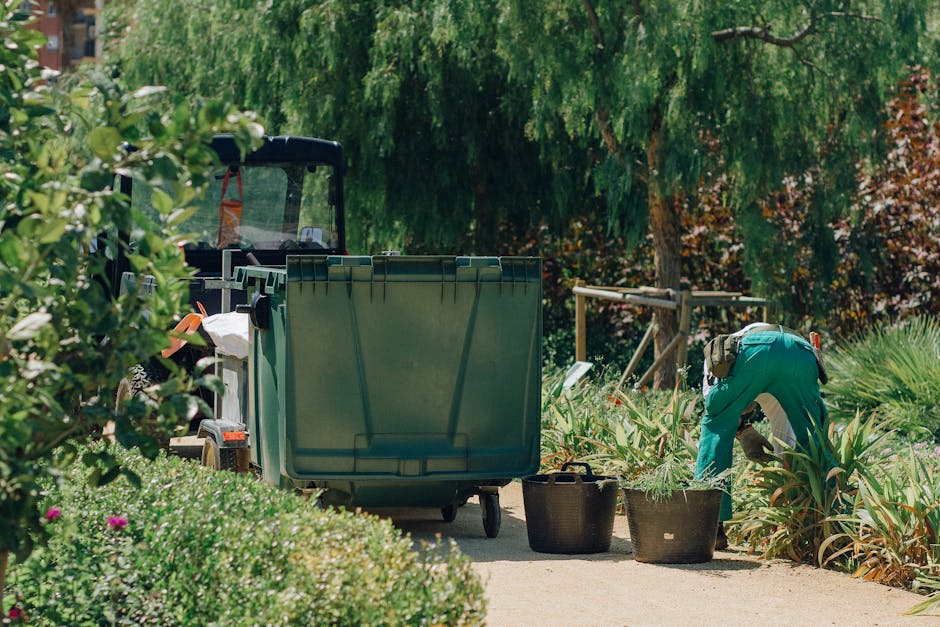
Peckham gardeners pricing guide real cost per hour 2026
If you are trying to budget for garden help this year, the Peckham gardeners pricing guide real cost per hour 2026 is the sort of thing that can save you from awkward surprises. Garden work looks simple from the outside, but the price changes fast depending on access, waste, equipment, job size, and whether you need regular upkeep or a one-off rescue mission after months of growth. Truth be told, most people do not need a fancy explanation - they need a practical sense of what a gardener might charge per hour, what pushes the figure up, and how to compare quotes without getting lost in the detail. That is exactly what this guide is for.
Below, you will find a clear breakdown of hourly costs, the usual pricing patterns in Peckham, the jobs that tend to be cheapest or most expensive, and the best way to judge whether a quote is fair. I will also cover common mistakes, compliance basics, and a straightforward checklist so you can make a decision with a bit more confidence. Gardening is rarely glamorous, but getting the price right? That part matters.
Why Peckham gardeners pricing guide real cost per hour 2026 Matters
Peckham is not the kind of place where every garden job is neat and tidy. You get narrow side access, shared entrances, compact back gardens, mature planting, basement homes with awkward steps, and plenty of "it looked fine in winter" plots that suddenly turn into a jungle by June. That local reality affects labour time, and labour time is usually the biggest cost driver.
A pricing guide matters because hourly gardening rates are only useful if you understand what sits behind them. One gardener may quote a lower hourly figure but take longer because they work alone and bring minimal equipment. Another may charge more per hour but clear a small, overgrown garden faster because they arrive with the right kit and a two-person team. So the cheap-looking rate is not always the cheaper job. Annoying, yes. But common.
This is also where trust comes in. A proper guide helps you compare like with like. Are you paying for general garden maintenance, specialist hedge trimming, green waste removal, or more involved work like garden clearance? Those jobs are priced very differently, and if the quote does not separate them clearly, you are basically guessing. Nobody enjoys that.
Expert takeaway: the real cost per hour is not just the hourly rate. It is the rate, the pace of work, the tools included, the waste handling, and how well the gardener matches the job in front of them.
How Peckham gardeners pricing guide real cost per hour 2026 Works
Most gardeners in Peckham price in one of three ways: hourly, half-day/full-day, or fixed quote. Hourly pricing is the easiest to understand, but it is also the easiest to misread if you do not know what is included. A fair hourly rate usually reflects the gardener's experience, whether they are self-employed or part of a larger team, and whether the work is straightforward or physically demanding.
As a rough working guide for 2026, many customers should expect hourly rates to sit in a broad band rather than a single magic number. For basic garden maintenance, the cost per hour may be lower than for specialist or heavy-duty work. For example, regular mowing and light tidying are generally simpler than overgrown clearance, large hedge reductions, or jobs involving awkward access and waste bags carried through the house. That extra effort shows up in the price. It has to.
There are a few practical elements that shape the final hourly cost:
- Experience level: a skilled gardener who knows pruning, plant care, and efficient work methods may charge more, but often finishes faster and better.
- Job complexity: weeding a tidy border is not the same as restoring a neglected garden after six months of rain and neglect.
- Team size: two workers can cost more per hour, but they may complete the work in less total time.
- Equipment: mowing machines, hedge trimmers, and waste tools can be included or charged separately.
- Waste disposal: green waste removal is often a separate charge, especially for bulky clearances.
- Access: tight side alleys, no parking nearby, or carrying waste through a property can add time.
If you are looking for a service overview before requesting numbers, it can help to browse the local services overview and then move into the relevant service page, such as lawn mowing or hedge trimming, depending on the job. That saves a lot of back-and-forth when you are trying to compare quotes.
One thing people often miss: pricing is also shaped by timing. A last-minute booking after a long dry spell, a storm, or spring growth can cost more because availability drops and demand rises. The same garden, one month apart, can produce a very different quote. Bit frustrating, but there it is.
Key Benefits and Practical Advantages
Getting a transparent hourly price offers more than just budgeting comfort. It gives you control. And in a city garden, where space is tight and jobs can escalate quickly, that control is worth a lot.
- Better budgeting: you can estimate the likely cost before work starts, rather than waiting for a surprise invoice.
- Cleaner comparisons: it is easier to compare one gardener's offer against another when the hourly basis is clear.
- Flexibility: hourly pricing works well for ongoing maintenance, one-off tidying, and jobs that may change once the gardener sees the space.
- Faster decisions: if you know the likely real cost per hour, you can decide whether to tidy the garden now or combine several tasks into one visit.
- More honest planning: a sensible hourly guide helps you prioritise essentials like safety, access, and waste removal.
There is also a quiet practical advantage: hourly pricing can be ideal when your garden needs a mix of small tasks. Maybe the grass needs cutting, the borders need weeding, the hedge has crept over the fence, and a few branches are hanging low. In that case, an experienced gardener can triage the work and make the garden usable again without forcing you into a rigid package. Flexible, in plain English.
If your priorities include longer-term upkeep rather than a single blitz, regular garden maintenance can often make hourly costs feel more predictable because the garden never gets too far out of hand. That usually means fewer hours later, which is good news for your wallet and your weekend.
Who This Is For and When It Makes Sense
This guide is useful if you are a homeowner, landlord, tenant with permission to manage the garden, property manager, or someone dealing with a garden that has got away from them a bit. No judgement. Life happens. The lavender gets leggy, the grass turns patchy, and then the back fence disappears behind a wall of green.
Hourly gardening pricing makes sense when:
- you need regular upkeep rather than a full redesign
- the scope is unclear and needs a site visit
- you want to control spend by stopping work after an agreed number of hours
- the job includes multiple small tasks that are hard to estimate as one fixed price
- you want a quick tidy-up before guests, a sale, or an inspection
It is also useful if your property has unusual access or mixed outdoor surfaces. For example, a Peckham terrace with a small patio, a raised bed, and a narrow rear lane may need a different approach from a bigger suburban plot. If the work is more involved - perhaps drainage, paving, or structural changes - then you may be looking at broader landscaping or even landscape gardening rather than simple hourly maintenance. Different job, different cost model.
Let's face it: the right pricing format depends on the actual garden, not the postcode alone.
Step-by-Step Guidance
If you want a realistic grip on what a gardener should cost per hour in 2026, follow this simple process. It is not fancy, but it works.
- List the exact tasks. Split the job into mowing, pruning, weeding, clearance, hedge work, waste removal, or plant care. Vague requests lead to vague pricing.
- Measure the scale honestly. A "small tidy-up" can mean ten minutes or half a day. Walk the garden and note what actually needs doing.
- Check access and parking. If tools need to be carried a long way, or if parking is awkward, mention it upfront. That matters in Peckham more often than people expect.
- Ask what is included. Does the hourly rate include tools, fuel, waste bagging, and loading? Or is it labour only?
- Request an estimate of hours. A decent quote should say something like "two to three hours" or "a half-day", not just the rate.
- Confirm waste handling. If green waste is being removed, make sure you understand whether that is priced separately.
- Compare the total, not just the rate. A lower hourly rate with a slow worker may cost more than a higher rate with an efficient one.
A useful rule of thumb: if the gardener cannot explain how they arrived at the time estimate, ask again. Calmly. You are not being difficult; you are being sensible.
For larger clearances, overgrown spaces, or a garden that needs a complete reset, a dedicated garden clearance may be a better fit than standard hourly maintenance. And if tree work is involved, the pricing structure changes again, especially where skill, safety and equipment become more serious. More on that below.
Expert Tips for Better Results
Here is where people can save money without cutting corners. The best savings are usually not dramatic; they are practical. Small things.
- Bundle related jobs: If the gardener is already there, ask whether mowing, hedge cutting and weeding can be grouped into one visit. Travel time is cheaper when spread across several tasks.
- Keep the garden accessible: Move bins, toys, bikes, and furniture before arrival. A clear working space means less paid time spent dragging things about.
- Use regular visits: A garden that is maintained every few weeks usually costs less to manage than a garden that needs rescue work twice a year.
- Be specific about priorities: If the budget is tight, tell the gardener the essential areas first. Tidy the front, tackle the hedge, leave the back border for next time.
- Ask about seasonal timing: Some jobs are quicker at certain times of year. Wet ground, dense spring growth, and winter debris all affect labour time.
A small but important tip: take a few photos before you request a quote. Not glamorous, I know. But it helps the gardener see the scale and awkward bits before they arrive, which often leads to a more accurate estimate.
If you want to understand how the business presents its wider working approach, the pages on insurance and safety and health and safety policy are worth a look. Price matters, yes, but safe and insured work matters too.
Common Mistakes to Avoid
A lot of pricing problems come from the customer side, not because anyone is trying to be awkward. People just assume "hourly gardener" means the same thing everywhere. It does not.
- Choosing solely on the cheapest rate: a low number can hide slow work, weak communication, or extra charges later.
- Not asking about waste: green waste bags, loading, and disposal can transform a tidy quote into an expensive one if left unclear.
- Forgetting access issues: no parking, side access, and rear-entry restrictions all affect labour time.
- Assuming all gardeners do the same work: some are best for general upkeep, others for heavy clearance, and some specialise in trimming or tree work.
- Skipping the written quote: even a short written summary helps avoid misunderstandings later.
- Waiting until the garden is severely overgrown: the longer you leave it, the more time and money it tends to take to restore.
There is also the "I'll know it when I see it" trap. You will not. Not when the garden is tangled, the hedge is leaning, and the black bin is already full. Better to define the job first, then price it.
Tools, Resources and Recommendations
You do not need specialist software to budget for garden work, but a few simple tools and resources help you make better decisions.
- Phone photos: useful for sharing the state of the garden before the visit.
- Basic job list: a note on your phone with the exact tasks and priorities.
- Old invoices or previous quotes: handy for spotting whether the price has shifted because of scope or simply because the job has grown.
- Calendar reminders: ideal for regular maintenance, especially before spring growth or autumn leaf fall.
- Service pages: useful if you need to understand the difference between general upkeep and specialist work. The pages for lawn mowing, hedge trimming, and tree lopping and removal are good examples of how the job type changes the price conversation.
If you care about waste handling and a tidier environmental footprint, the recycling and sustainability page is also relevant. Garden work often creates more waste than people expect, especially when a neglected space is brought back under control. Bags, branches, brambles - the lot.
A final practical recommendation: if you are comparing quotes from different gardeners, ask each one to break down the same information. Labour, waste, materials, and likely hours. The comparison gets much fairer once the format matches.
Law, Compliance, Standards and Best Practice
Pricing is not just a numbers exercise. Gardeners working in London should operate with proper attention to safety, insurance, waste handling, and fair trading practice. You do not need legal jargon to make a sensible choice, but you do need a few basics.
First, safety. A professional gardener should be able to explain how they manage risks around tools, lifting, access, and hazardous tasks. For more involved work such as tree reduction or removal, this matters even more. If the job includes height work, heavy cutting, or difficult site conditions, it is reasonable to ask how the work will be carried out safely and what insurance cover is in place.
Second, clarity in pricing. A good quote should not hide major exclusions in tiny print. If waste removal, materials, or extra labour could be charged separately, that should be explained before the work starts. This is not being fussy; it is basic best practice. The payment and security page is a useful reminder that a professional service should also make payment terms transparent.
Third, customer care. If there is a complaint, a written process is much better than a vague promise to "sort it out". That is why documents such as complaints procedure, terms and conditions, and privacy policy matter. They show that the business has thought beyond the first invoice.
In practice, the best standard is simple: clear scope, clear rate, clear responsibility, clear communication. Not flashy. Just solid.
Options, Methods and Comparison Table
One of the easiest ways to understand the real cost per hour is to compare pricing methods side by side. Hourly pricing is not always the best option, but it is often the most transparent for variable jobs.
| Pricing method | Best for | Pros | Trade-offs |
|---|---|---|---|
| Hourly rate | Ongoing upkeep, mixed jobs, unclear scope | Flexible, easy to start, good for smaller or evolving tasks | Total cost can rise if the job is more complex than expected |
| Half-day or day rate | Medium-sized jobs and tidy-up sessions | Predictable total, efficient for grouped tasks | May feel expensive if only a small amount of work is needed |
| Fixed quote | Clear, well-defined work such as a set clearance or specific project | Budget certainty, easier planning | Needs a well-scoped brief; changes may trigger extras |
For many Peckham gardens, hourly pricing works best at the start, then shifts to a fixed expectation once the gardener sees the site. That is perfectly normal. In fact, it is often the most honest approach. A quote that is too rigid can be just as unhelpful as one that is too vague.
If you are planning outdoor improvements rather than routine upkeep, a project-based page like landscape gardening or decking services may better match the kind of work you need. Those are different conversations from simple hourly weeding and mowing, even if the garden is the same size. Funny how that works.
Case Study or Real-World Example
Here is a realistic example. A Peckham homeowner with a small rear garden had left the space alone through winter. By early spring, the lawn was patchy, the hedge had crept outwards, and the borders were full of weeds. The owner assumed it would be a quick tidy-up. It never is, not really.
The gardener walked the space, noticed that access was tight, and saw that waste would need to be bagged and carried through a narrow side passage. The job was split into two parts: a first visit for lawn cutting, weeding, hedge trimming and general reset, followed by a lighter maintenance visit a few weeks later. That approach mattered because the first visit was clearly more labour-intensive than the second.
What made the pricing fair was not the hourly rate alone. It was the fact that the gardener explained the likely time required, noted the access limitations, and separated routine maintenance from more demanding clearance work. The customer got a realistic picture before agreeing. No surprises. That is the sweet spot.
In situations like this, the real cost per hour feels better when the gardener is efficient and direct, and when you, as the customer, are honest about what needs doing. Little thing, big difference.
Practical Checklist
Before you agree to a gardening job in Peckham, run through this simple checklist. It will help you avoid confusion and price creep.
- Have I listed every task clearly?
- Do I know whether the gardener charges hourly, by half-day, or by fixed quote?
- Have I asked what the hourly rate includes?
- Have I mentioned access, parking, and waste handling?
- Do I understand whether materials are included or extra?
- Have I checked if the work needs specialist tools or extra people?
- Do I know whether the garden needs maintenance or a deeper clearance?
- Have I looked at the relevant service pages to match the job correctly?
- Have I asked for a rough estimate of total hours?
- Do I feel comfortable with the quote and the communication?
If the answer to most of those is yes, you are in good shape. If not, pause and ask a few more questions. Better a two-minute check now than a messy invoice later.
Get a free quote today and see how much you can save.
Conclusion
The Peckham gardeners pricing guide real cost per hour 2026 is really about understanding value, not just chasing the lowest number. A fair hourly price should reflect the work involved, the tools needed, the time saved, and the professionalism behind the visit. Once you know what affects the rate, you stop comparing quotes blindly and start making proper decisions.
For many local gardens, the smartest move is to choose the right service level first, then ask for a transparent hourly estimate or a clear fixed quote. Keep the brief honest, keep the garden accessible, and focus on the total cost rather than one headline number. That approach usually leads to better work, fewer headaches, and a result that actually lasts.
And if your garden has been quietly taking over while life got busy, do not worry too much. A good plan, a clear quote, and the right gardener can make a very noticeable difference. Sometimes that first proper tidy-up is the moment everything feels manageable again. Bit of fresh air, bit of structure, and suddenly the space makes sense.
Frequently Asked Questions
How much does a gardener cost per hour in Peckham in 2026?
Hourly prices vary by the type of work, access, experience, and whether waste removal is included. For a realistic comparison, ask what the rate covers and whether the gardener expects the job to take one hour, several hours, or a full visit.
Why do two gardeners give very different hourly quotes?
They may be pricing different things. One might include tools, waste handling, and a second worker, while the other quotes labour only. Experience, speed, and job complexity also play a part.
Is hourly pricing better than a fixed quote?
It depends on the job. Hourly pricing is often better for small or unclear tasks, while fixed quotes can be easier for defined jobs like clearances or set projects. The best option is the one that matches the scope.
What jobs usually cost more per hour?
Jobs that need specialist equipment, difficult access, heavy lifting, hedge reduction, tree work, or waste removal usually cost more. If the garden is overgrown or awkward to reach, the time cost rises fast.
Should waste removal be included in the hourly rate?
Not always. Some gardeners include basic bagging and removal, while others charge it separately. Always ask, because waste handling can change the total significantly.
How can I keep the cost down without doing the work myself?
Clear access before the visit, group tasks together, keep the garden maintained regularly, and be specific about priorities. A tidy, prepared garden is quicker to work in, simple as that.
What should a proper quote include?
A sensible quote should explain the tasks, pricing method, likely time needed, any extra charges, and whether materials or waste removal are included. If the quote is too brief, ask for clarification.
Do gardeners charge more in spring and summer?
Often, yes. Demand tends to rise when growth speeds up and people want the garden ready for outdoor use. That can affect both availability and price.
Is regular maintenance cheaper than one-off work?
Usually, yes. A garden that is maintained routinely tends to need fewer labour hours than one that has been left to overgrow. Regular visits often give better value over time.
How do I know if a gardener is professional?
Look for clear communication, a sensible explanation of pricing, transparent terms, and signs that they take safety and insurance seriously. A professional gardener should be able to explain what they are doing and why.
What if my garden needs both maintenance and bigger improvements?
That is common. Some work may sit under garden maintenance, while other parts belong under landscaping or landscape gardening. Splitting the job into phases can make the pricing clearer and easier to manage.
Can I ask a gardener to stop once they hit a set budget?
Yes, and many customers prefer that approach. Just make sure you agree the priority order first, so the gardener knows what to tackle before time runs out.
If you are weighing up your next step, start with the scope, then the price. That simple order keeps things much calmer, and honestly, it usually leads to a better garden too.