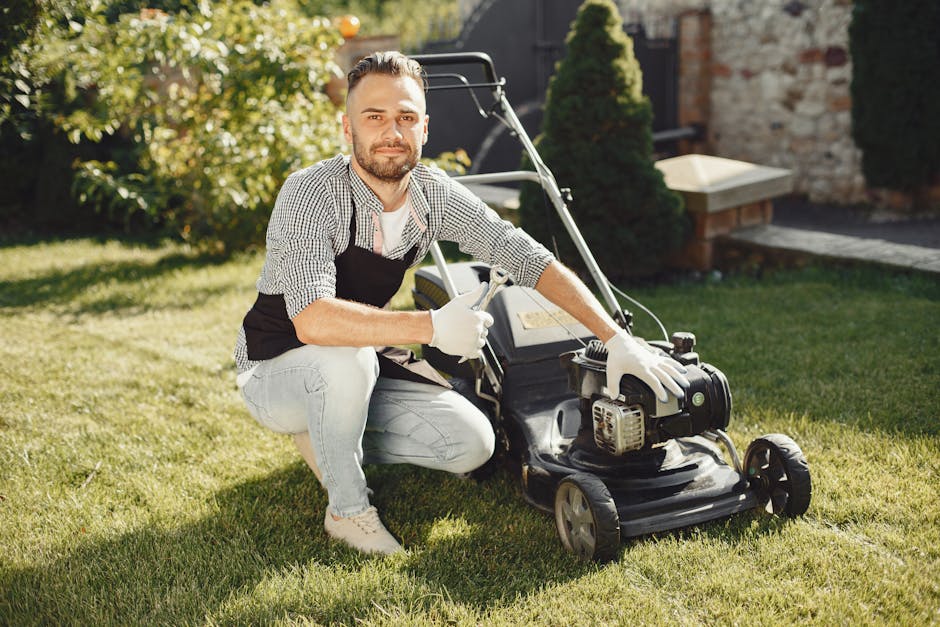
Get same day gardeners in Peckham for emergency lawn repair
If your lawn has been torn up by heavy rain, foot traffic, pets, construction work, or an overnight accident, you probably do not want a long explanation. You want it sorted. Fast. That is exactly where Get same day gardeners in Peckham for emergency lawn repair comes in: a practical way to get a damaged lawn stabilised, repaired, and looking presentable again before the problem spreads.
In Peckham, lawns can go from decent to disaster surprisingly quickly. One wet weekend, a skipped mowing cycle, or a patch of disturbed turf after garden work and suddenly the whole space looks tired. The good news is that same day help is often enough to stop small damage turning into a bigger, more expensive repair. This guide walks you through what emergency lawn repair actually involves, how to choose the right help, what to expect on the day, and how to avoid the mistakes that leave a lawn patchy for weeks.
For homeowners, landlords, tenants, letting agents, and property managers, this is less about perfection and more about getting control back. Let's face it: a lawn can make a garden feel cared for, even when everything else is a bit chaotic.
Table of Contents
- Why emergency lawn repair matters
- How same day lawn repair works
- Key benefits and practical advantages
- Who needs this service and when it makes sense
- Step-by-step guidance
- Expert tips for better results
- Common mistakes to avoid
- Tools, resources and recommendations
- Law, compliance, standards, or best practice
- Options, methods, or comparison table
- Case study or real-world example
- Practical checklist
- Conclusion
- Frequently asked questions
Why Get same day gardeners in Peckham for emergency lawn repair Matters
A damaged lawn is more than a cosmetic issue. Once turf is torn, compacted, waterlogged, or left scalped too short, the weak spots can spread fast. Bare areas invite weeds. Compacted soil drains badly. Ruts hold water. If the weather turns, the whole thing can go from messy to genuinely difficult to recover.
Same day gardeners matter because timing changes the outcome. A fresh patch of churned turf is much easier to repair than a lawn that has been ignored for a fortnight. In real terms, that can mean the difference between a straightforward fix and a much longer recovery process involving reseeding, levelling, top dressing, and repeated aftercare.
For Peckham properties, speed is often tied to presentation too. You may have visitors coming, a tenant move-in, a rental inspection, or simply a garden you want usable again. A lawn that has a big muddy patch near the path or a strip torn up by skipped maintenance can drag the whole space down. No one wants to look out of the kitchen window and see a sad brown rectangle staring back.
Expert summary: emergency lawn repair is about stabilising the damage first, then restoring the lawn in the most efficient way possible. Same day action helps prevent soil compaction, weed invasion, and wider turf failure.
If the lawn issue is part of a wider garden clear-out, it can also make sense to coordinate with garden clearance or broader garden maintenance so the repair is not undermined by nearby mess, debris, or overgrowth.
How Get same day gardeners in Peckham for emergency lawn repair Works
The process is usually simpler than people expect. The aim is not to rebuild an entire garden in one afternoon. It is to assess the problem quickly, carry out the most effective repair available that day, and leave the lawn in a far more stable state than before.
1. Quick assessment
A gardener will normally look at the type of damage first. Is it a small torn patch, general thinning, a sunken area, or a bigger section of turf failure? The repair method depends on that. A muddy hollow after rain needs a different fix from a worn strip by a gate or a pet-run area.
2. Immediate stabilisation
Next comes the urgent part. That may include clearing loose debris, lifting damaged turf edges, trimming ragged sections, lightly aerating compacted soil, or firming uneven ground. This stage matters because neat repair work on top of unstable soil rarely lasts. It looks fine on day one and then goes off the rails. Quite quickly, too.
3. Repair method selection
Depending on the condition of the lawn, the gardener may use patch repair, overseeding, top dressing, levelling, turf replacement, or a combination. Small holes can often be filled and seeded. Larger worn or dead patches may need fresh turf. If the area is uneven, some levelling is often needed before anything else.
4. Finishing and advice
Once the emergency work is done, you should be given simple aftercare guidance. That might include watering frequency, when to avoid walking on the lawn, and whether the patch needs follow-up mowing later. Good same day work should leave you with clear next steps, not just a tidy-looking surface and a shrug.
If the lawn issue appears alongside hedge damage, branch fall, or overhanging growth after stormy weather, services such as hedge trimming or tree lopping and removal may also be relevant, especially where shade, debris, or falling twigs are contributing to poor lawn health.
Key Benefits and Practical Advantages
There are plenty of reasons people choose same day support rather than waiting for a standard booking. Some are practical. Some are emotional, frankly. When a garden looks rough, it is one less thing you want to think about.
- Prevents further lawn damage: quick action helps stop bare patches from widening and soil from becoming more compacted.
- Improves appearance quickly: even a partial repair can make a garden feel usable and cared for again.
- Reduces long-term costs: a small emergency fix is usually easier than replacing larger areas later.
- Helps with property presentation: useful before inspections, viewings, events, or tenancy handovers.
- Supports safer outdoor use: uneven or muddy lawns can be slippery and awkward underfoot.
- Gives targeted advice: a good gardener will explain why the damage happened so it does not keep recurring.
There is also a quiet benefit people often overlook: peace of mind. When the garden is no longer a worry, everything else feels a bit more manageable. It sounds small. It is not, though.
Who This Is For and When It Makes Sense
This type of service is not only for dramatic garden emergencies. It is for anyone who needs a swift, sensible fix before damage gets worse or a deadline gets missed.
Homeowners
If you have pets, children, or heavy foot traffic cutting across the same area, the lawn can wear out fast. Same day repair makes sense when a patch has become muddy, torn, or unsafe to walk on.
Landlords and letting agents
Garden presentation matters in rentals. A rough lawn at the wrong time can make a whole property feel less cared for. Emergency repair is often a practical pre-tenancy or mid-tenancy fix.
Tenants
If the garden is part of your responsibility, it is better to tackle visible damage early rather than let a simple issue become a discussion at the end of the tenancy. Truth be told, that is a conversation most people would rather avoid.
Property managers and commercial sites
Shared outdoor spaces, front lawns, and small landscaped areas often need fast attention after weather damage or accidental wear. Same day work helps keep things presentable without causing disruption.
When it makes sense
- After heavy rain or waterlogging
- After a party, event, or high foot traffic
- After garden works have disturbed the turf
- After pet damage or digging
- Before a move-in, viewing, or inspection
- When a patch has started spreading and looks likely to worsen
If you want to see how emergency repair sits within the wider service range, the services overview is a useful starting point for understanding what can be bundled together in one visit.
Step-by-Step Guidance
If you are arranging same day lawn repair, the process is easier when you know what to do before the gardener arrives. A bit of preparation saves time. Not a huge amount, but enough to keep the visit efficient.
- Identify the damage clearly. Walk the garden and note where the worst patches are. If possible, take a couple of photos before moving anything.
- Clear the access route. Move bins, toys, patio furniture, and anything else that may block the working area.
- Explain the cause if you know it. Was it flooding, pets, broken edging, recent mowing, or a heavy object left on the grass? The cause shapes the repair.
- Ask what can be done on the day. Some issues can be fixed fully in one visit. Others need an emergency stabilisation followed by longer-term recovery.
- Check aftercare instructions. Watering, walking restrictions, and mowing timing all matter more than people think.
- Plan follow-up work if needed. If the lawn needs broader support, book maintenance rather than waiting for the patch to fail again.
A small but helpful detail: keep pets away from the area for as long as possible after the repair. A curious dog can undo a neat patch in seconds. Ask anyone who has tried to protect fresh turf with one hand while holding a lead in the other. Bit of a balancing act.
If the lawn damage is tied to wider neglect or a seasonal clean-up, combining the repair with lawn mowing or even garden clearance can make the result last longer and look much more coherent.
Expert Tips for Better Results
Here is where experience matters. Good repair work is not only about what gets done today. It is about how well the lawn behaves next week.
Match the repair method to the damage
Overseeding is useful for thin areas, but it will not rescue a section of turf that has died completely. Turf replacement is faster for severe patches, while top dressing helps with minor hollows and surface irregularities. The right fix saves time and avoids a false economy.
Don't repair while the ground is waterlogged
It can be tempting to press on, especially when the problem is urgent. But if the soil is heavily saturated, you may just create more compaction and worse drainage. Sometimes the best same day move is to stabilise the surface and return once the ground is workable.
Sort the cause, not just the symptom
If a path edge is cutting into the lawn, install a better border or rework the route. If shade is stopping grass from recovering, that needs to be addressed in the wider garden plan. Otherwise, you are patching the same wound over and over again. Not ideal.
Keep the first cut sensible
After new grass seed or turf goes down, mowing too early or too aggressively can undo the repair. Follow the gardener's advice on timing. A gentle first cut, when the grass is ready, is usually far better than rushing it.
Use consistent watering, not random soaking
Little and often is often better than a huge drench, especially for new seed. Too much water can wash seed away or create surface crusting. Too little and the patch dries out before it takes hold. There is a middle ground, annoyingly, but that is how lawns work.
Common Mistakes to Avoid
Emergency lawn repair goes wrong most often because people try to do too much, too fast, or too little, too late. A few avoidable errors keep showing up.
- Ignoring the root cause: fixing the surface without addressing drainage, compaction, or repeated wear.
- Using the wrong seed or turf approach: some patches need full replacement, not a light sprinkle of seed.
- Walking on the repair too soon: even a brief shortcut can damage fragile roots.
- Cutting the lawn too short after repair: scalping young growth slows recovery and leaves it exposed.
- Overworking the area: too much raking, digging, or treading can make things worse.
- Not checking drainage: if water sits in the same place every time it rains, the patch will keep failing.
Another easy mistake is assuming every lawn problem needs a big renovation. It does not. Some need a quick, careful repair and a bit of patience. Others need more structural work. Knowing the difference saves a lot of frustration.
Tools, Resources and Recommendations
You do not need a shed full of specialist kit to understand or manage emergency lawn repair, but it helps to know what good gardeners typically use and why.
- Spade or edging tool: useful for lifting damaged turf cleanly or shaping patch edges.
- Rake: helps clear debris and level the surface before repair.
- Soil conditioner or top dressing: used to improve the surface and support new growth.
- Lawn seed or turf: chosen depending on the size and severity of the damage.
- Watering can or hose with gentle flow: helps the repair settle without washing it away.
- Garden fork or aerator: used to relieve compaction in stubborn areas.
- Measuring tape or simple visual markers: helps identify the exact patch needing work, especially in larger gardens.
For people who prefer a joined-up service, it can be worth looking at related maintenance such as routine garden maintenance or regular lawn mowing so the repaired area does not immediately fall back into poor condition.
There is also a practical side to choosing a provider. A clear explanation, tidy site habits, and honest advice matter more than flashy promises. If the company is transparent about pricing and quotes, and you are comfortable with their approach to payment and security, that is usually a good sign. Small details count.
Law, Compliance, Standards, or Best Practice
For lawn repair itself, there is usually no special legal hurdle. But there are still sensible standards and duties that good gardeners should follow, especially when working in residential gardens or shared spaces.
Health and safety matters whenever tools, lifting, sharp edging equipment, or powered machinery are used. A responsible provider should work carefully around children, pets, uneven ground, and wet surfaces. If you are comparing providers, it is reasonable to ask how they manage site safety and whether they have appropriate insurance and safety arrangements in place.
Property boundaries and permissions also matter. If the repair touches shared areas, front-facing spaces, or a rented property, make sure the right person has approved the work. In practice, that avoids confusion later. It also keeps everyone happier, which is no small thing on a damp Tuesday when someone is trying to get hold of three people at once.
Waste handling is another best-practice issue. Old turf, soil waste, and green cuttings should be dealt with responsibly. Where appropriate, ask how material is removed, reused, or recycled. A service that respects recycling and sustainability tends to take the rest of the job seriously too.
Complaint and policy clarity is worth checking for larger or repeated work. If a company has published terms, complaints guidance, and clear service information, that usually helps set expectations before anyone starts digging. For general background, the company's about us page can help you understand who is behind the service, while the terms and conditions set the basic framework for the job.
Options, Methods, or Comparison Table
Not every lawn emergency needs the same fix. Here is a straightforward comparison to help you understand what usually suits different situations.
| Method | Best for | Speed | Typical upside | Main limitation |
|---|---|---|---|---|
| Overseeding | Thin or tired patches | Moderate | Low-disruption way to restore coverage | Takes time to establish |
| Top dressing | Minor dips, surface unevenness | Moderate | Improves soil contact and surface quality | Not enough for dead turf |
| Patch turf replacement | Small damaged or dead sections | Fast | Immediate visual improvement | Needs careful aftercare |
| Levelling and reseeding | Sunken or worn traffic lines | Slower | Addresses shape and regrowth together | May need follow-up visits |
| Drainage or compaction correction | Repeated soggy or hard areas | Varies | Helps prevent repeat failure | Can be more involved than a quick fix |
In many real situations, the right answer is a blend. For example, a worn path edge might need a bit of levelling, fresh turf in the worst spot, and improved mowing habits afterwards. Simple enough in principle. A bit fiddly in practice, as these things often are.
Case Study or Real-World Example
Imagine a small Peckham back garden after a wet week and a birthday gathering. The lawn has a muddy strip where guests kept walking to the bins, plus a flattened patch near the seating area. Nothing dramatic, but it looks rough enough that the whole garden feels unfinished.
A same day gardener arrives in the morning, checks the surface, and decides the worst strip needs patch replacement while the flatter section can be improved with top dressing and overseeding. The access route is cleared, the damaged turf is lifted cleanly, and the surface is levelled before new material goes down. By the end of the visit, the garden still needs care, but it no longer looks like a problem waiting to happen.
Over the next week, the owner follows the watering advice, keeps foot traffic off the patch, and delays mowing until the new growth begins to settle. The result is not magically perfect overnight. But it does recover, and that is the point. Emergency repair is often about giving the lawn a proper second chance.
A small detail from the real world: the most successful repairs usually happen when the homeowner resists the urge to keep checking the patch every hour. Leave it alone. A little patience goes a long way.
Practical Checklist
Use this checklist before and after arranging emergency lawn repair. It keeps things simple.
- Identify the main problem: torn turf, bare patch, muddy area, hole, compacted strip, or uneven surface.
- Take clear photos: especially useful if you need to explain the issue quickly.
- Clear the area: move furniture, toys, tools, and anything breakable.
- Confirm the likely repair method: seed, turf, levelling, or a mix.
- Ask about aftercare: watering, foot traffic, and mowing timing.
- Check whether nearby work is also needed: hedge, tree, or general garden maintenance can affect the outcome.
- Agree on access and timing: especially for side gates, rear access, or shared entrances.
- Keep pets and children off the patch: the first 24 to 72 hours matter a lot.
- Monitor drainage afterwards: if water pools again, mention it early.
- Book follow-up if necessary: some lawns need a second visit to fully settle.
If you are unsure whether the repair is part of a bigger garden issue, a broad look at services overview can help you decide whether to tackle one patch or the whole space.
Conclusion
Emergency lawn repair is one of those jobs that feels bigger than it should when you first notice it. A patch of torn turf or a muddy hollow can make an otherwise lovely garden look neglected. But with the right same day help, most damage can be stabilised quickly and put on a sensible recovery path.
The key is to act early, choose the repair method that matches the damage, and follow simple aftercare without overcomplicating things. If you need a fast, local response in Peckham, the best result usually comes from practical advice, clear communication, and a repair that respects how lawns actually grow, not how we wish they did.
And once the patch starts to settle, the garden tends to feel like yours again. Calm. Usable. Sorted.
Get a free quote today and see how much you can save.
Frequently Asked Questions
Can same day gardeners really repair a lawn on the same day?
Yes, in many cases they can carry out at least an emergency repair or stabilisation on the same day. That may include patching, levelling, topping up soil, or replacing a damaged section of turf.
What counts as an emergency lawn repair?
Emergency lawn repair usually means damage that needs quick attention to stop it getting worse. Common examples include torn turf, muddy hollows, flooding-related damage, or a worn patch that has suddenly become unsafe or unsightly.
Is lawn reseeding enough for a badly damaged patch?
Not always. Reseeding works well for thinning areas, but if the turf is dead or the soil is badly compacted, you may need turf replacement or surface levelling first.
How long does it take for a repaired lawn to recover?
That depends on the method used, the weather, and the aftercare. Small repairs may start blending in within days, while seeded patches can take longer to properly establish.
Should I water the repair straight away?
Usually yes, but gently and in line with the gardener's instructions. Too much water can wash seed away or make the soil too soft, so a careful approach is better.
Can a gardener repair a lawn after heavy rain?
Sometimes, but not always fully. If the ground is still waterlogged, the gardener may stabilise the area first and return when conditions are better for proper repair.
What should I do before the gardener arrives?
Clear furniture, toys, tools, and any obstacles from the area. It also helps to take a few photos and explain what caused the damage if you know it.
Will emergency lawn repair improve drainage problems?
Not by itself in most cases. If poor drainage is the root cause, a more involved solution may be needed. A quick repair can hide the problem for a while, but it will likely return if the drainage issue stays untouched.
Is it better to patch turf or seed a damaged area?
If the damaged section is small and you want a faster visual result, patch turf is often better. If the area is thin but still alive, overseeding can be a good, lower-cost option.
Can same day lawn repair be combined with other garden work?
Yes, and that is often sensible. If the lawn issue is linked to overgrowth, debris, or poor general upkeep, combining it with garden maintenance or related services can give a more lasting result.
How do I know if my lawn needs urgent attention or just routine care?
If the damage is spreading, water is sitting on the lawn, the turf has lifted, or the area is becoming unusable, it is worth treating it as urgent. If it is just a bit patchy or tired, routine care may be enough.
What should I ask when comparing gardeners in Peckham?
Ask what repair methods they use, whether they can work the same day, how they handle safety and waste, and what aftercare they recommend. Clear answers are usually a good sign.
Are there any local considerations for Peckham gardens?
Yes. Peckham gardens often deal with a mix of shade, compacted ground, seasonal rainfall, and repeated foot traffic. That means the repair approach should be practical rather than overly decorative, especially if the space gets regular use.
If you are ready to get the garden back under control, start with a quick assessment and a provider who understands both the urgency and the details. A good repair does not shout for attention forever. It quietly disappears into the lawn, which is exactly what you want.