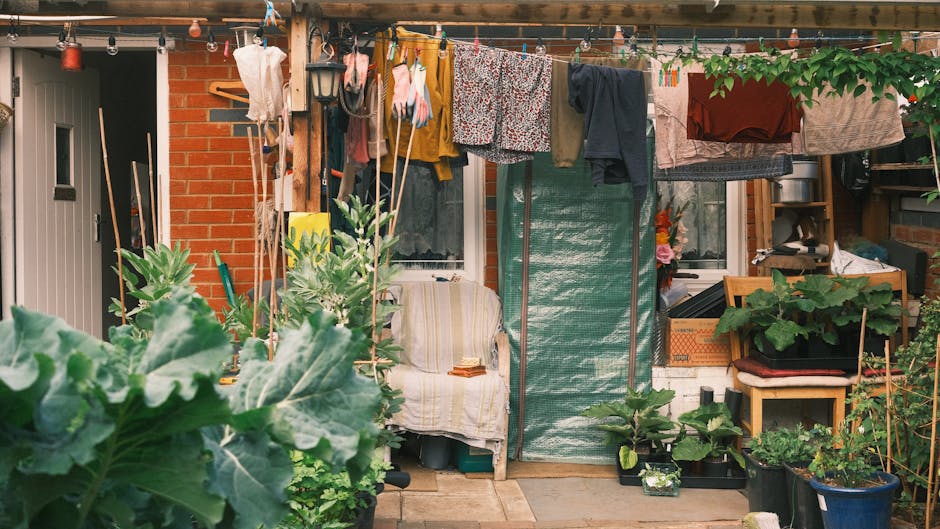
Bellenden Road Peckham Garden Maintenance Tips for Terraces
If you live on or near Bellenden Road in Peckham, terrace garden care can feel like a small puzzle with a few stubborn pieces. There is the narrow footprint, the shade from neighbouring buildings, the wind funnel effect down a terrace, and the simple fact that every inch needs to earn its keep. The good news? Bellenden Road Peckham garden maintenance tips for terraces do not have to be complicated to be effective. With the right routine, a terrace can stay tidy, healthy, and genuinely pleasant to use, even if space is tight and time is short.
This guide walks you through the practical side of maintaining a terrace garden in a Peckham setting: what matters most, how to work with the space rather than against it, where people often go wrong, and when it makes sense to bring in professional help. If you want a garden that looks cared for without feeling high-maintenance, you're in the right place.
One quick note before we dive in: terrace gardens often reward consistency more than big seasonal overhauls. A little and often really does beat the heroic weekend rescue mission. Ask anyone who has tried to wrestle a waist-high border back into shape in late August. Not fun.
Why Bellenden Road Peckham garden maintenance tips for terraces Matters
Terrace gardens are different from larger suburban plots in ways that become obvious very quickly. Soil dries out faster in containers, surfaces get cramped with pots and furniture, and plants can become crowded or leggy if they're left to fend for themselves. In a place like Peckham, where homes often sit close together, you may also be dealing with partial shade, reflected heat from brick walls, and gusty pockets of air that dry pots out before lunch.
That combination means a terrace garden needs a smarter rhythm of care. Not more effort, necessarily, just better-targeted effort. The aim is not perfection. It is control, comfort, and enough resilience that the space still looks good after a week of weather changes and everyday use.
There is also the lifestyle side of it. A tidy terrace can make a small outdoor area feel much bigger. You notice it immediately when paths are clear, plants are trimmed back properly, and nothing is spilling over in a way that makes the garden feel crowded. Even a modest terrace becomes somewhere you want to sit with a mug of tea in the morning or a glass of something cold at 7pm when the light goes soft. That feeling matters.
For homeowners, tenants, landlords, and people who use their terrace as an overflow living space, regular maintenance helps prevent small issues turning into bigger ones. Blocked drainage, waterlogged pots, mossy paving, broken trellis, unhappy shrubs - these things rarely fix themselves. Truth be told, they tend to multiply when ignored.
For local homeowners looking for broader support, it can also help to keep an eye on garden maintenance services that match the pace and scale of a terrace garden, rather than the needs of a full-size back garden.
How Bellenden Road Peckham garden maintenance tips for terraces Works
Terrace maintenance works best when you think in layers. First, there's the structural layer: surfaces, drainage, edging, pots, seating, and storage. Then there's the plant layer: pruning, feeding, watering, deadheading, and replanting. Finally, there's the appearance layer: cleaning, sweeping, and making sure the whole place feels intentional rather than cluttered.
A healthy terrace routine usually follows a cycle:
- Weekly: sweep hard surfaces, remove weeds, check watering needs, and tidy visible growth.
- Fortnightly: deadhead flowers, trim soft growth, rotate pots if one side is getting more light, and inspect for pests.
- Monthly: deep-clean pots and paving edges, assess plant health, refresh mulch or compost, and check any supports or fixings.
- Seasonally: cut back, divide, repot, replace tired plants, and rethink the layout if the space has become awkward.
The trick is not to do everything all at once. Terrace gardens are small enough that one neglected area is immediately noticeable, but also small enough that a focused session can make a big difference quickly. A twenty-minute tidy can transform the mood of the space. Honestly, it is one of the best returns on effort in garden care.
If your terrace includes hard landscaping features, such as a decked seating zone, it helps to coordinate plant care with surface upkeep. For some homes, a few well-chosen structural touches can make routine maintenance simpler. In those cases, decking services or broader landscaping can support the layout before the planting even starts.
Key Benefits and Practical Advantages
Good terrace maintenance does more than keep things neat. It protects the time, money, and energy you have already invested in the space. It also makes the garden easier to use in the everyday sense, which is usually the real goal.
- Better use of limited space: Clear lines and controlled growth make a compact terrace feel less cramped.
- Healthier plants: Regular care stops pests, drought stress, and nutrient issues from building up.
- Cleaner hard surfaces: Sweeping and washing prevent moss, algae, and slippery patches.
- Less waste: Smaller, more frequent tasks often reduce the need for big clear-outs later.
- Stronger kerb appeal: A tidy terrace looks cared for, even from a window or rear access path.
- More enjoyable outdoor living: People actually sit out more when the space feels calm and usable.
There's another advantage that gets overlooked: maintenance gives you information. You start noticing which corner gets morning sun, which pot dries fastest, which plant sulks after wind, and where water sits after rain. Those little observations are gold. They let you improve the garden without guessing.
Expert summary: On small Peckham terraces, the best results usually come from regular, light-touch maintenance rather than dramatic seasonal interventions. Keep the structure tidy, water with intention, and prune for shape before things become difficult to manage.
Who This Is For and When It Makes Sense
This guidance is useful if you own, rent, or manage a terrace garden and want it to stay attractive without demanding constant attention. It is especially relevant if your space has a few of the usual terrace challenges: limited soil depth, mixed sun and shade, close neighbours, or a design that has gradually become a bit crowded. Happens all the time.
You may find these tips especially helpful if you are:
- a homeowner who wants the garden to feel finished and liveable
- a tenant trying to keep an outdoor space tidy without over-investing in permanent changes
- a landlord preparing a property for viewings or regular occupation
- a busy household that needs a simple routine, not a gardening hobby
- someone who likes plants but not the chaos that comes with letting them run wild
It also makes sense to look at professional support when the job exceeds the time available, when climbing, cutting, or waste removal becomes awkward, or when the terrace needs a reset rather than a light tidy. In those cases, a wider package like services overview can help you match the right level of support to the work in front of you.
If your terrace has become cluttered with dead pots, old compost, or unwanted growth, a one-off garden clearance may be the practical starting point before maintenance can really stick.
Step-by-Step Guidance
Here is a practical way to maintain a terrace garden without losing the weekend to it.
1. Start with a reset
Clear out anything broken, empty, or no longer serving the space. Lift dead leaves, old annuals, cracked pots, and anything that blocks circulation or makes the area feel busy. You want to see the bones of the garden before deciding what stays. It sounds obvious, but people often skip this and then wonder why the layout still feels messy after they've "tidied."
2. Check the drainage first
Terraces often struggle with water sitting in awkward places. Check that pots have drainage holes, trays aren't overflowing, and hard surfaces aren't holding puddles near doors or seating. If a corner remains damp, that is usually a clue that something underneath needs attention.
3. Sort plants by need, not by emotion
We all have a favourite plant that looked lovely in the shop. But terrace gardens work better when placement is logical. Put sun-lovers in the brightest spots, shade-tolerant plants in the quieter corners, and thirsty plants together so watering is easier. Grouping by need saves time and stress.
4. Prune for space and shape
On a terrace, overgrowth becomes a space problem quickly. Trim back soft growth, remove dead stems, and keep trailing plants in check so paths, seating, and sightlines remain open. If hedging or screening plants are part of the terrace, regular trimming helps them stay neat rather than spiky and awkward. For heavier hedge work, hedge trimming support can be a sensible option.
5. Water deeply, then less often
Light sprinkling tends to encourage shallow roots and weak plants. It is usually better to water thoroughly and allow the compost to settle, then let the top layer dry slightly before watering again. In warm weather, morning watering is often the safest bet because it gives plants a chance to absorb moisture before the day heats up.
6. Feed and refresh
Container plants use up nutrients faster than plants in open ground. Refresh compost where needed, and apply feed according to plant type and season. This does not need to become a chemistry experiment. Just don't leave the same tired potting mix in place forever and expect top results.
7. Finish with a visual tidy
Once the work is done, stand back and look at the whole space. Is there one crowded corner? One pot that throws the balance off? One stray leaf pile making the whole thing look unfinished? That final glance matters because terrace gardens are small enough that one messy detail can dominate the mood.
Expert Tips for Better Results
A few small habits make terrace maintenance much easier. These are the things that tend to separate a garden that merely survives from one that feels well thought through.
- Use fewer, better containers. Too many tiny pots can make a terrace feel fussy and harder to water.
- Choose plants with a clear role. Some should provide structure, some softness, some seasonal colour. Not every plant needs to do everything.
- Keep one clear focal point. A bench, a mature pot, a climber, or a statement container can anchor the whole space.
- Mulch where possible. It helps reduce evaporation and keeps the surface looking finished.
- Leave room for access. If you cannot reach the back of the terrace easily, maintenance becomes a chore very quickly.
- Be wary of fast growers. Some plants look brilliant for three weeks and then start acting like they own the place. A bit dramatic, really.
If you want the space to feel more settled over time, think about the long view. What will the terrace look like in six months, not just on the day it was tidied? That mindset tends to improve planting choices and reduce unnecessary rework.
Professional advice can also help if the terrace is part of a larger outdoor plan. In some properties, a mix of planting, structure, and access changes works better than patching individual problems. That is where landscape gardening can help shape a more coherent result.
Common Mistakes to Avoid
Most terrace garden problems are not caused by one dramatic mistake. They come from several small ones adding up. The good news is that these are usually easy to correct once you see them clearly.
- Overwatering containers: Wet compost for days on end is a common cause of weak growth and rot.
- Ignoring dead growth: Stems, leaves, and flowers that have gone over make the space look tired fast.
- Using the wrong-size pots: Tiny pots dry out too quickly; huge ones can stay waterlogged.
- Letting climbers take over: Lovely in theory, messy in practice if they are not trained properly.
- Forgetting seasonal swaps: Some plants just need replacing after their peak. That is normal, not failure.
- Blocking access routes: A terrace that is hard to move around in is a terrace that gets neglected.
- Skipping waste removal: Garden waste left in piles attracts more mess and makes the whole job feel bigger next time.
A surprisingly common issue is design drift. One extra chair here, one new pot there, another planter because it looked good in the sun, and suddenly the terrace has no breathing room. It happens. The fix is usually to remove more than you add.
Tools, Resources and Recommendations
You do not need an enormous kit to maintain a terrace garden well. In fact, a small, sensible toolkit is often better than a shed full of gadgets you rarely use.
| Tool or item | Why it helps | Best use on a terrace |
|---|---|---|
| Hand trowel | Simple planting, potting, and soil top-ups | Small containers and tight corners |
| Bypass secateurs | Clean cuts on soft and woody growth | Pruning herbs, shrubs, and climbers |
| Stiff broom | Quick surface clean-up | Patios, decking, and paved terraces |
| Watering can or hose with control | More accurate watering than a casual splash | Containers and grouped planting |
| Gloves | Protect hands from thorns and rough edges | General maintenance and clearing debris |
| Small rake | Moves leaves and loose mulch without damaging plants | Border edges and narrow beds |
For many terraces, the most useful "resource" is not a tool at all, but a repeatable routine. If you always sweep on the same day, check pots at the same time, and prune before the growth gets away from you, the garden stays much calmer. Simple. Not glamorous, but effective.
If maintenance needs extend beyond the terrace itself, such as mature trees shading the garden heavily or blocking light, then tree lopping and removal may be worth discussing carefully, especially where safety or access is involved. Always use sound judgement on that one.
For bigger household gardening needs, you may also want to compare support with lawn mowing where a small lawn forms part of the wider outdoor area, though many terraces will rely more on containers and paving than turf.
Law, Compliance, Standards, or Best Practice
Terrace garden maintenance in Peckham is usually straightforward, but there are still practical standards to keep in mind. If you live in a shared building, a managed block, or a property with communal access, make sure your work does not obstruct walkways, fire exits, or shared boundaries. That is basic courtesy, but it is also good practice.
Be cautious with pruning, ladders, and any work that puts you in an awkward position. Small terraces often tempt people to balance on unstable furniture or stretch too far rather than take a safer approach. Not worth it. If a job feels fiddly or risky, it is better to slow down and reassess.
Garden waste should be handled responsibly, and where contractors are involved, you should expect them to manage waste in a lawful and tidy way. If sustainability matters to you, ask how green waste and packaging are handled. A responsible approach to materials and disposal is often part of better-quality service, not an afterthought. You can also look at a company's recycling and sustainability approach if that matters to your household.
For service-related expectations, it is sensible to review basic business information such as pricing and quotes, payment and security, and insurance and safety before agreeing to any larger maintenance or clearance work. That kind of due diligence is plain common sense, really.
If anything is unclear, a quick read of a provider's policies, including terms and conditions and health and safety policy, can save a lot of back-and-forth later.
Options, Methods, or Comparison Table
Different terrace gardens need different levels of care. Some people want a light-touch routine they can manage themselves; others prefer occasional professional support, especially when the planting has matured or the layout is awkward. Here is a simple comparison.
| Approach | Best for | Pros | Limitations |
|---|---|---|---|
| DIY weekly upkeep | Small, simple terraces | Low cost, flexible, good for routine tidying | Can slip if you get busy; easy to miss deeper issues |
| DIY with seasonal reset | Garden owners who like hands-on care | More control over planting and layout | Heavier work can become time-consuming |
| Professional maintenance visits | Busy households and more mature terrace gardens | Consistent standards, less stress, better long-term shape | Ongoing cost, less hands-on personal involvement |
| One-off clearance plus reset | Overgrown or neglected terraces | Fast improvement, clearer starting point | Needs follow-up care or the same issues return |
In practice, many people use a mix. They handle the light day-to-day tasks themselves, then bring in help for the larger jobs or for a proper seasonal tidy. That hybrid approach often works very well on terraces, because the space is small but the details matter.
Case Study or Real-World Example
Picture a typical Bellenden Road terrace garden at the end of a damp spring. There are three large pots by the door, a narrow paved seating area, a climber running a little too freely, and a couple of tired containers that have been sitting there since last year. Nothing terrible, just slightly off. The sort of garden that makes you half-close the curtain and think, "I'll deal with that later."
A practical reset might begin with clearing the dead material and removing the two weakest pots. Next comes a sweep and a check of the paving edges, where moss has started to form in the shade. The climber gets tied in neatly, not hacked back aggressively, and the remaining pots are regrouped so watering is simpler. One of the old containers is replaced with a more robust evergreen structure plant, and the seating area is left with proper walking room around it.
The result is not dramatic in a flashy sense. It is better than that. The terrace becomes easy to use again. The view from inside feels calmer. The plants stop competing so much. And because access is now simple, maintenance in the following weeks is far less annoying. That is the real win.
If the garden had been more severely neglected, a visit from a team experienced in garden maintenance and garden clearance would have made the restart quicker and less stressful. Sometimes you just need a clean slate. No drama.
Practical Checklist
Use this checklist to keep your terrace garden on track through the season.
- Clear leaves, dead growth, and loose debris weekly
- Check pots for drainage and waterlogging
- Water deeply and avoid frequent shallow splashing
- Trim back anything blocking paths or seating
- Deadhead flowers before they go messy and seed-heavy
- Refresh compost or mulch where plants look tired
- Inspect trellises, supports, and pot stability
- Rotate pots if one side is getting too much sun or wind
- Remove empty or broken containers
- Keep garden waste from building up in corners
- Review the layout each season and remove overcrowding
- Book professional help for heavy pruning, clearance, or layout changes when needed
Quick takeaway: A terrace garden works best when it stays open, well-drained, and easy to maintain. If every task takes too long, the design probably needs simplifying.
Conclusion
Terrace gardens in Bellenden Road and across Peckham can be beautifully rewarding, but they ask for a slightly different approach from larger gardens. The secret is not chasing perfection; it is keeping the space light, tidy, and manageable so it keeps working for real life. That means sensible pruning, steady watering, regular sweeping, and the occasional reset when things start to feel crowded.
Once you find a rhythm, terrace maintenance becomes less of a chore and more of a habit. And when a space is well looked after, you feel it straight away. The garden is calmer, the house feels more open, and even a small outdoor corner starts to carry real value. Not bad for a few pots, a broom, and a bit of consistency.
If you would like help turning a tired terrace into something easier to manage, explore the available support, compare your options, and choose the level of care that suits your home and routine.
Get a free quote today and see how much you can save.
Sometimes the smallest gardens bring the biggest sense of relief when they're finally in good shape.
Frequently Asked Questions
How often should a terrace garden in Peckham be maintained?
Most terrace gardens benefit from light weekly attention, a fuller monthly check, and a seasonal reset. If the space is heavily planted or gets lots of wind and sun, you may need to check pots and watering more often.
What are the most important terrace maintenance tasks?
The essentials are watering properly, sweeping hard surfaces, removing dead growth, trimming plants before they become untidy, and checking drainage. Those five things cover a surprising amount of the work.
Why do terrace plants dry out so quickly?
Containers hold less moisture than ground beds, and terraces often get more reflected heat and wind. That combination dries compost quickly, especially in summer or during breezy spells.
Is professional help worth it for a small terrace garden?
Yes, especially if the garden has become overgrown, awkward to access, or hard to keep on top of. A small garden can still need proper maintenance, just at a smaller scale and with more precision.
What should I do with an overcrowded terrace garden?
Start by removing broken, dead, or unused items. Then thin the planting, regroup pots, and restore clear access around seating and paths. If it is badly cluttered, a clearance-first approach is often easiest.
How can I make a terrace garden easier to look after?
Keep the layout simple, use fewer but better containers, group plants with similar needs, and avoid adding too many small decorative items. Simplicity is your friend here, honestly.
Do I need different plants for shade and sun on a terrace?
Yes. A terrace often has mixed conditions, even within a few metres. Matching plants to the available light makes maintenance easier and reduces the chances of weak growth or constant replacement.
What is the best time of day to water terrace plants?
Morning is usually the most practical choice, because plants can absorb water before the day warms up. Evening can also work, but try to avoid leaving foliage wet overnight where disease may become more likely.
How do I keep a terrace looking neat between major visits?
Do a quick sweep, remove spent flowers, pull obvious weeds, and move any stray pots or tools back into place. Ten minutes here and there can keep the terrace looking cared for without much effort.
Can I combine terrace maintenance with decking or landscaping work?
Absolutely. In some gardens, the layout is the real issue, not the planting. If surfaces, levels, or access are awkward, improvements through decking services or landscaping can make ongoing care much easier.
What should I check before hiring someone to maintain my terrace garden?
Look at the provider's service scope, pricing, payment terms, safety approach, and whether their maintenance style suits a terrace rather than a larger garden. It is sensible to review their about us and policy pages too, especially where trust and practical expectations matter.
How do I know if my terrace needs clearance instead of routine maintenance?
If the garden is blocked by dead material, unused items, or so much overgrowth that routine tidying cannot get ahead of it, a clearance-first approach makes sense. Once the space is reset, maintenance becomes far more manageable.